Introduction
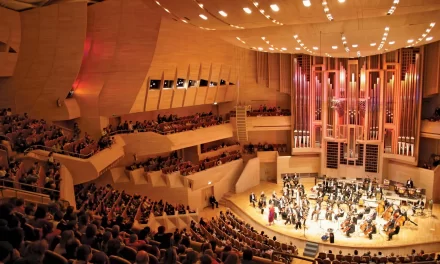
Imagine a stage where a single violinist stands poised, surrounded by a full orchestra. As the conductor lifts the baton, a dramatic conversation begins—not with words, but with music. The soloist speaks in soaring melodies, the orchestra responds in sweeping harmonies. This is the essence of the concerto: a vibrant interplay between individual expression and collective sound.
The concerto is one of the most captivating forms in Western classical music. It celebrates contrast, virtuosity, and emotional depth, inviting listeners into a sonic journey where the soloist and ensemble engage in a dynamic musical dialogue.
At its heart, a concerto is a composition that features a solo instrument—such as a piano, violin, or cello—set against the backdrop of an orchestra. The word itself comes from the Italian concertare, meaning “to harmonize” or “to contend.” This dual meaning reflects the concerto’s nature: part collaboration, part competition.
- The soloist often dazzles with technical brilliance and expressive nuance.
- The orchestra provides contrast, support, and sometimes dramatic opposition.
- Together, they create a narrative of tension and resolution, intimacy and grandeur.
Baroque Period (1600–1750)
The Baroque era marks the birth of the concerto as a distinct musical form. It was during this time that composers began experimenting with contrast—between groups of instruments, between textures, and between musical ideas.
- The concerto grosso emerged, featuring a small group of soloists known as the concertino set against the larger ensemble, or ripieno. This interplay created a rich tapestry of sound, full of tension and release.
- Antonio Vivaldi, one of the most prolific Baroque composers, transformed the solo concerto into a dramatic and expressive form. His masterpiece The Four Seasons uses the violin to evoke vivid scenes—springtime birdsong, summer storms, autumn harvests, and winter’s chill—making music a vehicle for storytelling.
Classical Period (1750–1820)
With the Classical period came clarity, balance, and formal elegance. The concerto matured into a more structured and refined genre, often following a three-movement format: fast, slow, fast.
- Composers emphasized symmetry and proportion, crafting concertos that were both technically impressive and emotionally resonant.
- Wolfgang Amadeus Mozart and Ludwig van Beethoven elevated the concerto to new heights. Mozart’s piano concertos shimmer with grace and wit, while Beethoven’s works—especially his Violin Concerto in D major—blend nobility with lyrical depth, giving the soloist a voice of profound expression.
Romantic Period (1820–1900)
The Romantic era placed the individual at the center of artistic creation. Concertos became vehicles for personal expression, emotional intensity, and virtuosic display.
- Soloists were no longer just performers—they were musical heroes, often composing and premiering their own works.
- The orchestra grew in size and power, creating dramatic backdrops for the soloist’s journey.
- Pyotr Ilyich Tchaikovsky’s Piano Concerto No. 1 bursts with passion and grandeur, while Johannes Brahms’ Violin Concerto combines technical brilliance with sweeping lyricism, embodying the Romantic spirit.
20th Century and Beyond
In the modern era, the concerto broke free from tradition, embracing experimentation and global influences.
- Composers challenged conventional forms, incorporating jazz idioms, electronic textures, and non-Western instruments.
- The concerto became a space for innovation, where sound itself could be sculpted and reimagined.
- Figures like Dmitri Shostakovich, Béla Bartók, and Philip Glass pushed boundaries—whether through political commentary, rhythmic complexity, or minimalist repetition—offering fresh perspectives on what a concerto could be.
Anatomy of a Concerto
Most concertos follow a three-movement structure, each with its own mood and purpose:
- First Movement – Allegro
- Fast-paced and dramatic.
- Often in sonata form, introducing themes and developing them through tension and contrast.
- Second Movement – Adagio or Andante
- Slow, lyrical, and introspective.
- Offers emotional depth and a moment of reflection.
- Third Movement – Allegro or Presto
- Energetic and triumphant.
- Frequently uses rondo form, where a recurring theme alternates with contrasting episodes.
This structure allows composers to explore a wide emotional and technical range, showcasing both the soloist’s virtuosity and the orchestra’s richness.
Types of Concertos
- Solo Concerto: One instrument takes center stage (e.g., violin, piano, flute).
- Concerto Grosso: A group of soloists interacts with the full orchestra.
- Double/Triple Concertos: Two or more solo instruments share the spotlight.
- Modern Variants: Include jazz concertos, electronic concertos, and works for unconventional instruments like electric guitar or sitar.
Iconic Concertos to Discover
Antonio Vivaldi – The Four Seasons (Violin)
Vivaldi’s The Four Seasons is more than a concerto—it’s an early example of musical storytelling. Composed in the Baroque era, each of the four violin concertos represents a season, vividly painting scenes of chirping birds, summer storms, harvest dances, and icy winter winds. The solo violin becomes a narrator, guiding listeners through nature’s changing moods with dazzling technique and poetic flair.
Wolfgang Amadeus Mozart – Piano Concerto No. 21 in C Major
Mozart’s 21st piano concerto is a masterpiece of Classical elegance. Its graceful melodies and balanced structure reflect the clarity and refinement of the era. The second movement, often called the “Elvira Madigan” theme, is especially beloved for its serene beauty and lyrical tenderness. Here, the piano doesn’t overpower—it converses gently with the orchestra, creating a mood of sublime intimacy.
Ludwig van Beethoven – Violin Concerto in D Major
Beethoven’s only violin concerto is a monumental work that blends nobility with emotional depth. The solo violin enters not with bravado, but with quiet dignity, gradually unfolding a rich tapestry of themes. The concerto’s expansive structure and lyrical phrasing showcase Beethoven’s ability to elevate the soloist without sacrificing orchestral grandeur. It’s a dialogue of equals—poised, powerful, and profoundly human.
Pyotr Ilyich Tchaikovsky – Piano Concerto No. 1 in B-flat Minor
Tchaikovsky’s first piano concerto opens with thunderous chords and sweeping drama, immediately immersing the listener in Romantic intensity. The soloist is cast as a heroic figure, navigating passionate themes and virtuosic passages with emotional fire. From its bold opening to its triumphant finale, this concerto is a showcase of technical brilliance and heartfelt expression—a true Romantic showpiece.
Maurice Ravel – Piano Concerto in G Major
Ravel’s concerto in G major is a sparkling blend of Classical form and jazz-inspired rhythm. Composed in the early 20th century, it dances with syncopation, wit, and color. The first movement bursts with energy, the second offers haunting lyricism, and the third races to a playful finish. Ravel’s orchestration is vivid and inventive, making this concerto a delightful exploration of modern musical language.
কনচের্তো
ভূমিকা
একটি মঞ্চ কল্পনা করুন, যেখানে একজন একক বেহালাবাদক স্থির ভঙ্গিতে দাঁড়িয়ে আছেন, চারপাশে পূর্ণ অর্কেস্ট্রা। কন্ডাক্টর যখন তার ব্যাটন তোলে, তখন শুরু হয় এক নাটকীয় সংলাপ—শব্দে নয়, সুরে। একক বাদক উঁচু সুরে কথা বলেন, অর্কেস্ট্রা তার জবাবে দেয় বিস্তৃত সুরমালায়। এটাই কনচের্তোর মূলভাব: ব্যক্তিগত অভিব্যক্তি ও সম্মিলিত সাউন্ডের প্রাণবন্ত বিনিময়।
কনচের্তো পশ্চিমা ধ্রুপদী সঙ্গীতের অন্যতম আকর্ষণীয় রূপ। এটি বৈপরিত্য, দক্ষতা ও আবেগের গভীরতাকে উদযাপন করে, শ্রোতাদের আমন্ত্রণ জানায় এক সুরভ্রমণে, যেখানে একক বাদক ও দলীয় অর্কেস্ট্রা এক গতিশীল সঙ্গীত সংলাপে যুক্ত হন।
মূলত, কনচের্তো একটি সঙ্গীত রচনা, যেখানে একক বাদ্যযন্ত্র—যেমন পিয়ানো, বেহালা বা চেলো—অর্কেস্ট্রার পটভূমিতে উপস্থাপিত হয়। শব্দটি এসেছে ইতালীয় “concertare” থেকে, যার অর্থ “সামঞ্জস্য করা” বা “প্রতিযোগিতা করা।” এই দ্বৈত অর্থই কনচের্তোর প্রকৃতি প্রকাশ করে: আংশিক সহযোগিতা, আংশিক প্রতিযোগিতা।
- একক বাদক প্রযুক্তিগত দক্ষতা ও সংবেদনশীলতার মাধ্যমে মুগ্ধ করেন।
- অর্কেস্ট্রা বৈপরিত্য, সহায়তা এবং কখনো নাটকীয় বিরোধিতা প্রদান করে।
- একত্রে তারা তৈরি করে উত্তেজনা ও সমাধানের, অন্তরঙ্গতা ও মহিমার এক সঙ্গীত-গল্প।
বারোক যুগ (১৬০০–১৭৫০)
এই যুগেই কনচের্তো একটি স্বতন্ত্র সঙ্গীত রূপ হিসেবে আত্মপ্রকাশ করে। সুরের গঠন, বাদ্যযন্ত্রের দল, এবং সঙ্গীত ভাবনার মধ্যে বৈপরিত্য নিয়ে পরীক্ষা-নিরীক্ষা শুরু হয়।
- “কনচের্তো গ্রোসো” রূপটি আবির্ভূত হয়, যেখানে ছোট একক বাদকদলের (concertino) বিপরীতে থাকে বৃহৎ অর্কেস্ট্রা (ripieno)। এই বিনিময় তৈরি করে সুরের এক সমৃদ্ধ বয়ন, যা উত্তেজনা ও মুক্তির ছন্দে পূর্ণ।
- আন্তোনিও ভিভালদি, বারোক যুগের অন্যতম উজ্জ্বল সুরকার, একক কনচের্তোকে রূপ দেন নাটকীয় ও সংবেদনশীল রূপে। তাঁর শ্রেষ্ঠ রচনা The Four Seasons বেহালার মাধ্যমে জীবন্তভাবে তুলে ধরে ঋতুর দৃশ্য—বসন্তের পাখির গান, গ্রীষ্মের ঝড়, শরতের ফসল উৎসব, ও শীতের শীতলতা—যেখানে সঙ্গীত হয়ে ওঠে গল্প বলার মাধ্যম।
ক্লাসিকাল যুগ (১৭৫০–১৮২০)
এই যুগে আসে স্বচ্ছতা, ভারসাম্য ও গঠনগত সৌন্দর্য। কনচের্তো পরিণত হয় আরও কাঠামোবদ্ধ ও পরিশীলিত রূপে, সাধারণত তিনটি অংশে বিভক্ত: দ্রুত, ধীর, দ্রুত।
- সুরকাররা জোর দেন সমতা ও অনুপাতের ওপর, তৈরি করেন কনচের্তো যা প্রযুক্তিগতভাবে চমৎকার ও আবেগপূর্ণ।
- মোৎসার্ট ও বিথোভেন কনচের্তোকে পৌঁছে দেন নতুন উচ্চতায়। মোৎসার্টের পিয়ানো কনচের্তোতে থাকে সৌন্দর্য ও বুদ্ধিমত্তা, আর বিথোভেনের রচনায়—বিশেষত Violin Concerto in D Major—মিলিত হয় মহিমা ও গীতিময়তা, একক বাদককে দেওয়া হয় গভীর অভিব্যক্তির কণ্ঠস্বর।
রোমান্টিক যুগ (১৮২০–১৯০০)
এই যুগে শিল্পসৃষ্টির কেন্দ্রে আসে ব্যক্তি। কনচের্তো হয়ে ওঠে ব্যক্তিগত অভিব্যক্তি, আবেগের তীব্রতা ও দক্ষতার প্রদর্শনের মাধ্যম।
- একক বাদক শুধু পারফর্মার নন—তাঁরা হয়ে ওঠেন সঙ্গীতের নায়ক, অনেক সময় নিজের রচনাও পরিবেশন করেন।
- অর্কেস্ট্রা আকারে ও শক্তিতে বৃদ্ধি পায়, একক বাদকের যাত্রার জন্য তৈরি করে নাটকীয় পটভূমি।
- চাইকোভস্কির Piano Concerto No. 1 আবেগ ও মহিমায় পরিপূর্ণ, আর ব্রাহ্মসের Violin Concerto প্রযুক্তিগত দক্ষতা ও গীতিময়তার সংমিশ্রণ, যা রোমান্টিক চেতনার প্রতিফলন।
বিংশ শতক ও পরবর্তী সময়
আধুনিক যুগে কনচের্তো মুক্ত হয় ঐতিহ্য থেকে, গ্রহণ করে পরীক্ষা-নিরীক্ষা ও বৈশ্বিক প্রভাব।
- সুরকাররা চ্যালেঞ্জ করেন প্রচলিত রূপ, যুক্ত করেন জ্যাজ, ইলেকট্রনিক সাউন্ড ও অ-প্রচলিত বাদ্যযন্ত্র।
- কনচের্তো হয়ে ওঠে উদ্ভাবনের ক্ষেত্র, যেখানে শব্দকে নতুনভাবে গঠন ও কল্পনা করা যায়।
- শোস্তাকোভিচ, বার্তোক, ও ফিলিপ গ্লাসের মতো সুরকাররা ভাঙেন সীমা—রাজনৈতিক ভাষ্য, ছন্দের জটিলতা, বা মিনিমালিস্ট পুনরাবৃত্তির মাধ্যমে—উন্মোচন করেন কনচের্তোর নতুন সম্ভাবনা।
কনচের্তোর গঠন
বেশিরভাগ কনচের্তো তিনটি অংশে বিভক্ত, প্রতিটির নিজস্ব আবহ ও উদ্দেশ্য থাকে:
- প্রথম অংশ – আলেগ্রো
- দ্রুত ও নাটকীয়।
- সাধারণত সোনাটা ফর্মে, যেখানে থিম উপস্থাপন ও বিকাশ ঘটে বৈপরিত্য ও উত্তেজনার মাধ্যমে।
- দ্বিতীয় অংশ – আদাজিও বা আন্দান্তে
- ধীর, গীতিময় ও অন্তর্মুখী।
- আবেগের গভীরতা ও চিন্তার মুহূর্ত প্রদান করে।
- তৃতীয় অংশ – আলেগ্রো বা প্রেস্টো
- উদ্দীপনাময় ও বিজয়ী।
- প্রায়ই রন্ডো ফর্মে, যেখানে একটি পুনরাবৃত্ত থিমের সঙ্গে বৈপরিত্যপূর্ণ অংশ পালাক্রমে আসে।
এই গঠন সুরকারদের আবেগ ও প্রযুক্তিগত বিস্তৃতি অন্বেষণের সুযোগ দেয়, প্রদর্শন করে একক বাদকের দক্ষতা ও অর্কেস্ট্রার সমৃদ্ধি।
কনচের্তোর ধরন
- একক কনচের্তো: একটি বাদ্যযন্ত্র প্রধান ভূমিকা নেয় (যেমন: বেহালা, পিয়ানো, বাঁশি)।
- কনচের্তো গ্রোসো: একাধিক একক বাদক পুরো অর্কেস্ট্রার সঙ্গে বিনিময়ে যুক্ত হয়।
- ডাবল/ট্রিপল কনচের্তো: দুই বা ততোধিক একক বাদ্যযন্ত্র একসঙ্গে পরিবেশিত হয়।
- আধুনিক রূপ: জ্যাজ কনচের্তো, ইলেকট্রনিক কনচের্তো, এবং ইলেকট্রিক গিটার বা সিতারের মতো অপ্রচলিত যন্ত্রের জন্য রচনা।
আবিষ্কারের জন্য আইকনিক কনচের্তো
আন্তোনিও ভিভালদি – The Four Seasons (বেহালা) এই রচনাটি কনচের্তোর চেয়ে বেশি—এটি সঙ্গীতের মাধ্যমে গল্প বলার প্রাচীন উদাহরণ। প্রতিটি বেহালা কনচের্তো একটি ঋতুকে প্রতিনিধিত্ব করে, তুলে ধরে পাখির ডাক, গ্রীষ্মের ঝড়, ফসলের নৃত্য, ও শীতের হিমেল বাতাস। একক বেহালা হয়ে ওঠে বর্ণনাকারী, প্রকৃতির পরিবর্তনশীল আবহকে তুলে ধরে কৌশল ও কবিত্বে।
ওলফগ্যাং আমাদেউস মোৎসার্ট – পিয়ানো কনচের্তো নং ২১ ইন সি মেজর মোৎসার্টের একবিংশ পিয়ানো কনচের্তো ক্লাসিক সৌন্দর্যের এক অনন্য নিদর্শন। এর কোমল সুরমালা ও ভারসাম্যপূর্ণ গঠন সেই যুগের স্বচ্ছতা ও পরিশীলনকে প্রতিফলিত করে। দ্বিতীয় অংশটি, যা “এলভিরা ম্যাডিগান” থিম নামে পরিচিত, বিশেষভাবে প্রিয় তার শান্ত সৌন্দর্য ও গীতিময় কোমলতার জন্য। এখানে পিয়ানো প্রাধান্য বিস্তার করে না—বরং অর্কেস্ট্রার সঙ্গে মৃদু সংলাপে যুক্ত হয়, সৃষ্টি করে এক অতুলনীয় অন্তরঙ্গ আবহ।
লুডভিগ ভ্যান বিথোভেন – Violin Concerto in D Major বিথোভেনের একমাত্র বেহালা কনচের্তো একটি স্মরণীয় রচনা, যেখানে মহিমা ও আবেগের গভীরতা মিলিত হয়েছে। একক বেহালা প্রবেশ করে আত্মবিশ্বাসে নয়, বরং শান্ত মর্যাদায়, ধীরে ধীরে উন্মোচন করে থিমের এক সমৃদ্ধ বয়ন। এর বিস্তৃত গঠন ও গীতিময় বাক্যবিন্যাস বিথোভেনের সেই ক্ষমতা প্রকাশ করে, যেখানে একক বাদককে উচ্চতায় তুলে ধরা হয়, অর্কেস্ট্রার মহিমা বজায় রেখেই। এটি এক সমতাসম্পন্ন সংলাপ—স্থির, শক্তিশালী, এবং গভীরভাবে মানবিক।
পিওত্র ইলিচ চাইকোভস্কি – Piano Concerto No. 1 in B-flat Minor চাইকোভস্কির প্রথম পিয়ানো কনচের্তো শুরু হয় বজ্রধ্বনি ও নাটকীয়তায়, যা শ্রোতাকে সঙ্গে সঙ্গে রোমান্টিক আবেগে নিমজ্জিত করে। একক বাদক এখানে এক নায়কসুলভ চরিত্র, যিনি আবেগপূর্ণ থিম ও দক্ষতাপূর্ণ অংশে যাত্রা করেন আগুনের মতো আবেগে। এর সাহসী সূচনা থেকে বিজয়ী সমাপ্তি পর্যন্ত, এই কনচের্তো প্রযুক্তিগত কৃতিত্ব ও হৃদয়গ্রাহী অভিব্যক্তির এক প্রদর্শনী—একটি সত্যিকারের রোমান্টিক শ্রেষ্ঠ রচনা।
মরিস রাভেল – Piano Concerto in G Major রাভেলের জি মেজর পিয়ানো কনচের্তো ক্লাসিক্যাল গঠন ও জ্যাজ-অনুপ্রাণিত ছন্দের এক ঝকঝকে সংমিশ্রণ। ২০শ শতকের শুরুতে রচিত, এটি নৃত্য করে সিঙ্কোপেশন, বুদ্ধিমত্তা ও রঙে। প্রথম অংশে থাকে উদ্দীপনা, দ্বিতীয় অংশে haunting গীতিময়তা, এবং তৃতীয় অংশে এক চঞ্চল সমাপ্তি। রাভেলের অর্কেস্ট্রেশন উজ্জ্বল ও উদ্ভাবনী, যা এই কনচের্তোকে আধুনিক সঙ্গীত ভাষার এক আনন্দদায়ক অন্বেষণ করে তোলে।