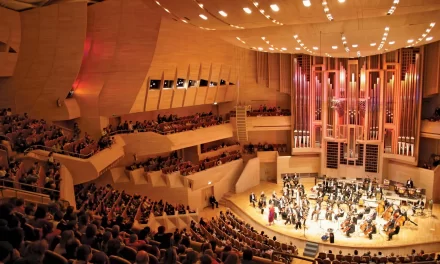
Origins: The Birth of Opera in Renaissance Italy
Opera began in late 16th-century Italy, born from a desire to revive the storytelling power of ancient Greek drama. A group of Florentine intellectuals known as the Camerata believed that Greek tragedies were sung rather than spoken. Inspired by this idea, they experimented with combining music and drama in a new way. The earliest surviving opera is Euridice (1600) by Jacopo Peri, performed at the wedding of Maria de’ Medici and Henry IV of France. But it was Claudio Monteverdi’s L’Orfeo (1607) that truly established opera as a serious art form. Monteverdi blended expressive solo singing (monody), instrumental interludes, and dramatic choruses to tell the myth of Orpheus with emotional depth and musical sophistication.
Baroque Brilliance: Spectacle and Structure
During the Baroque period (1600–1750), opera flourished across Europe. Italian cities like Venice, Naples, and Rome became opera hubs, and public opera houses opened for the first time—making opera accessible beyond aristocratic courts.
Composers like Francesco Cavalli and Alessandro Scarlatti helped standardize opera’s structure, introducing recitative (speech-like singing for dialogue) and aria (melodic solo pieces expressing emotion). Opera seria (serious opera) dominated, focusing on classical themes, heroic characters, and moral dilemmas.
Meanwhile, opera buffa (comic opera) emerged as a lighter alternative, portraying everyday people and humorous situations. This contrast between high drama and comedy would become a defining feature of opera’s evolution.
Beyond Italy: National Styles Emerge
Opera quickly spread beyond Italy, adapting to local tastes and traditions. In France, Jean-Baptiste Lully developed tragédie lyrique, blending French poetry, ballet, and music into elegant courtly productions. His works, supported by King Louis XIV, emphasized grandeur and dance, setting the tone for French opera. In Germany, Heinrich Schütz and later Reinhard Keiser laid the groundwork for German opera, which would reach new heights with George Frideric Handel. Though born in Germany, Handel made his mark in London, composing both Italian-style operas and English-language oratorios like Messiah.
Classical Refinement: Mozart and the Human Touch
The Classical period (1750–1820) brought clarity, balance, and emotional nuance to opera. Wolfgang Amadeus Mozart revolutionized the genre with operas that combined musical brilliance with deep character development. His Le nozze di Figaro (1786), Don Giovanni (1787), and Così fan tutte (1790) are masterpieces of opera buffa, blending comedy, romance, and social commentary. Mozart’s The Magic Flute (1791), a German Singspiel, mixed spoken dialogue with music and explored themes of enlightenment and brotherhood. Mozart’s operas gave voice to real human emotions—love, jealousy, ambition—and made opera more relatable to audiences of all backgrounds.
Romantic Expansion: Emotion, Power, and National Identity
The 19th century saw opera grow in scale, intensity, and popularity. Romantic composers embraced powerful emotions, dramatic plots, and national pride. In Italy, Gioachino Rossini’s The Barber of Seville (1816) and Gaetano Donizetti’s Lucia di Lammermoor (1835) thrilled audiences with vocal fireworks and gripping stories. Vincenzo Bellini’s Norma (1831) showcased lyrical beauty and tragic depth. But it was Giuseppe Verdi who became the voice of Italian opera. His works—Rigoletto, La Traviata, Aida, and Otello—combined memorable melodies with political and personal drama. Verdi’s music resonated with Italy’s struggle for unification, making him a national icon. In Germany, Richard Wagner redefined opera as Gesamtkunstwerk—a “total work of art” combining music, poetry, and staging. His epic operas like Tristan und Isolde, The Ring Cycle, and Parsifal used leitmotifs (musical themes for characters and ideas) and pushed harmonic boundaries. Wagner’s influence on music, theatre, and philosophy was profound and controversial.
Global Reach and Modern Voices
By the 20th century, opera had become a global phenomenon. Composers experimented with new styles, languages, and themes. Giacomo Puccini’s operas—La Bohème, Tosca, Madama Butterfly—blended Romantic passion with realistic storytelling. His music was lush, cinematic, and emotionally direct, making him one of the most beloved opera composers. In Russia, Tchaikovsky’s Eugene Onegin and Mussorgsky’s Boris Godunov explored national identity and psychological depth. In England, Benjamin Britten’s Peter Grimes and The Turn of the Screw brought modern drama and innovation to the stage.
American composers like George Gershwin (Porgy and Bess) and Philip Glass (Einstein on the Beach) expanded opera’s boundaries, incorporating jazz, minimalism, and experimental forms.
Opera Today: Tradition Meets Innovation
Today, opera continues to evolve. Contemporary composers tackle current issues, blend genres, and explore new technologies. Opera companies stage classics alongside new works, often reimagining traditional stories for modern audiences.
অপেরার উৎপত্তি ও বিকাশ
উৎপত্তি: রেনেসাঁস যুগে অপেরার জন্ম
১৬শ শতকের শেষভাগে ইতালিতে অপেরার জন্ম হয়, প্রাচীন গ্রিক নাটকের গল্প বলার ক্ষমতাকে পুনরুজ্জীবিত করার আকাঙ্ক্ষা থেকে। ফ্লোরেন্সের একদল বুদ্ধিজীবী, যাঁরা Camerata নামে পরিচিত, বিশ্বাস করতেন যে গ্রিক ট্র্যাজেডিগুলি গীত হয়, বলা নয়। এই ধারণা থেকে অনুপ্রাণিত হয়ে তাঁরা সঙ্গীত ও নাট্যকলার এক নতুন সংমিশ্রণ নিয়ে পরীক্ষা-নিরীক্ষা শুরু করেন।
সবচেয়ে প্রাচীন সংরক্ষিত অপেরা হলো Euridice (১৬০০), যাকোপো পেরি রচিত, যা মারিয়া দে’ মেডিচি ও ফ্রান্সের হেনরি চতুর্থের বিয়েতে পরিবেশিত হয়েছিল। তবে ক্লাউদিও মন্টেভেরদির L’Orfeo (১৬০৭) অপেরাকে একটি গুরুতর শিল্পরূপ হিসেবে প্রতিষ্ঠিত করে। মন্টেভেরদি একক আবেগপ্রবণ গীত (monody), বাদ্যযন্ত্রের অন্তর্বর্তী অংশ এবং নাট্যধর্মী কোরাসের মাধ্যমে অরফিয়াসের পৌরাণিক কাহিনি তুলে ধরেন গভীর আবেগ ও সঙ্গীতগত পরিশীলনের সঙ্গে।
বারোক যুগের জাঁকজমক: দৃশ্য ও গঠন
বারোক যুগে (১৬০০–১৭৫০) অপেরা ইউরোপজুড়ে বিকশিত হয়। ভেনিস, নেপলস ও রোমের মতো ইতালীয় শহরগুলি অপেরার কেন্দ্র হয়ে ওঠে, এবং প্রথমবারের মতো জনসাধারণের জন্য অপেরা হাউস খুলে যায়—যা অপেরাকে রাজদরবারের গণ্ডি ছাড়িয়ে সাধারণ মানুষের কাছে পৌঁছে দেয়।
ফ্রান্সেস্কো কাভাল্লি ও আলেসান্দ্রো স্কারলাত্তির মতো সুরকাররা অপেরার কাঠামোকে মান্যতা দেন, recitative (সংলাপধর্মী গীত) ও aria (আবেগপ্রকাশকারী একক সুর) প্রবর্তন করেন। Opera seria (গম্ভীর অপেরা) প্রাধান্য পায়, যেখানে ক্লাসিক থিম, বীর চরিত্র ও নৈতিক দ্বন্দ্ব তুলে ধরা হয়।
এদিকে opera buffa (হাস্যরসাত্মক অপেরা) একটি হালকা বিকল্প হিসেবে আবির্ভূত হয়, যেখানে সাধারণ মানুষ ও মজার পরিস্থিতি তুলে ধরা হয়। এই উচ্চ নাটকীয়তা ও হাস্যরসের বৈপরীত্য অপেরার বিকাশে একটি গুরুত্বপূর্ণ বৈশিষ্ট্য হয়ে ওঠে।
ইতালির বাইরে: জাতীয় শৈলীর উত্থান
অপেরা দ্রুত ইতালির সীমা ছাড়িয়ে যায় এবং স্থানীয় রুচি ও ঐতিহ্যের সঙ্গে মানিয়ে নিতে শুরু করে। ফ্রান্সে, জঁ-ব্যাপটিস্ট লুলি tragédie lyrique শৈলী গড়ে তোলেন, যেখানে ফরাসি কবিতা, ব্যালে ও সঙ্গীত মিলিয়ে রাজকীয় পরিবেশনা তৈরি হয়। রাজা লুই চতুর্দশের পৃষ্ঠপোষকতায় তাঁর রচনাগুলি জাঁকজমক ও নৃত্যকে গুরুত্ব দেয়, যা ফরাসি অপেরার ধারা নির্ধারণ করে।
জার্মানিতে, হাইনরিশ শ্যুৎস এবং পরে রেইনহার্ড কাইজার জার্মান অপেরার ভিত্তি স্থাপন করেন, যা জর্জ ফ্রিডরিখ হ্যান্ডেলের মাধ্যমে নতুন উচ্চতায় পৌঁছায়। যদিও হ্যান্ডেল জার্মানিতে জন্মগ্রহণ করেন, তিনি লন্ডনে তাঁর কৃতিত্ব স্থাপন করেন, যেখানে তিনি ইতালীয় শৈলীর অপেরা এবং ইংরেজি ভাষার oratorio (Messiah) রচনা করেন।
ধ্রুপদী পরিশীলন: মোৎসার্ট ও মানবিক স্পর্শ
ধ্রুপদী যুগে (১৭৫০–১৮২০) অপেরা পায় স্বচ্ছতা, ভারসাম্য ও আবেগের সূক্ষ্মতা। উলফগ্যাং আমাদেউস মোৎসার্ট অপেরাকে নতুন উচ্চতায় নিয়ে যান, যেখানে সঙ্গীতের দীপ্তি ও চরিত্রের গভীরতা একত্রিত হয়।
তাঁর Le nozze di Figaro (১৭৮৬), Don Giovanni (১৭৮৭), এবং Così fan tutte (১৭৯০) opera buffa-র শ্রেষ্ঠ উদাহরণ, যেখানে হাস্যরস, প্রেম ও সামাজিক মন্তব্য মিলিত হয়। The Magic Flute (১৭৯১), একটি জার্মান Singspiel, কথোপকথন ও সঙ্গীতের সংমিশ্রণে আলোকপ্রাপ্তি ও ভ্রাতৃত্বের থিম অনুসন্ধান করে।
মোৎসার্টের অপেরা বাস্তব মানবিক আবেগ—ভালোবাসা, ঈর্ষা, উচ্চাকাঙ্ক্ষা—কে কণ্ঠ দেয় এবং অপেরাকে সকল শ্রোতার কাছে আরও গ্রহণযোগ্য করে তোলে।
রোমান্টিক বিস্তার: আবেগ, শক্তি ও জাতীয় পরিচয়
১৯শ শতকে অপেরা আকারে, তীব্রতায় ও জনপ্রিয়তায় বিস্তৃত হয়। রোমান্টিক সুরকাররা প্রবল আবেগ, নাটকীয় কাহিনি ও জাতীয় গর্বকে আলিঙ্গন করেন।
ইতালিতে, জিওয়াকিনো রোসিনির The Barber of Seville (১৮১৬) এবং গায়েতানো ডোনিজেত্তির Lucia di Lammermoor (১৮৩৫) শ্রোতাদের মুগ্ধ করে কণ্ঠস্বরের কৌশল ও নাটকীয় গল্পে। ভিনচেনজো বেলিনির Norma (১৮৩১) গীতিময় সৌন্দর্য ও করুণ গভীরতা তুলে ধরে।
তবে জুসেপ্পে ভার্দিই হয়ে ওঠেন ইতালীয় অপেরার কণ্ঠস্বর। তাঁর Rigoletto, La Traviata, Aida, এবং Otello—স্মরণীয় সুর ও রাজনৈতিক-ব্যক্তিগত নাটক মিলিয়ে অপেরাকে এক নতুন মাত্রা দেন। ভার্দির সঙ্গীত ইতালির ঐক্য আন্দোলনের সঙ্গে সুর মিলিয়ে তাঁকে জাতীয় প্রতীক করে তোলে।
জার্মানিতে, রিচার্ড ওয়াগনার অপেরাকে Gesamtkunstwerk—“সম্পূর্ণ শিল্পকর্ম” হিসেবে সংজ্ঞায়িত করেন, যেখানে সঙ্গীত, কবিতা ও মঞ্চসজ্জা একত্রিত হয়। তাঁর মহাকাব্যিক অপেরা Tristan und Isolde, The Ring Cycle, এবং Parsifal চরিত্র ও ভাবনার জন্য পৃথক সুর (leitmotif) ব্যবহার করে এবং সুরতত্ত্বের সীমা প্রসারিত করে। ওয়াগনারের প্রভাব সঙ্গীত, নাট্যকলা ও দর্শনে গভীর ও বিতর্কিত।
বৈশ্বিক বিস্তার ও আধুনিক কণ্ঠস্বর
২০শ শতকে অপেরা হয়ে ওঠে এক বৈশ্বিক শিল্পরূপ। সুরকাররা নতুন শৈলী, ভাষা ও থিম নিয়ে পরীক্ষা-নিরীক্ষা শুরু করেন।
জিয়াকোমো পুচিনির La Bohème, Tosca, Madama Butterfly—রোমান্টিক আবেগ ও বাস্তব গল্প বলার সংমিশ্রণ। তাঁর সঙ্গীত আবেগপ্রবণ, সিনেমাটিক ও সরাসরি, যা তাঁকে সবচেয়ে জনপ্রিয় অপেরা সুরকারদের একজন করে তোলে।
রাশিয়ায়, চাইকোভস্কির Eugene Onegin এবং মুসর্গস্কির Boris Godunov জাতীয় পরিচয় ও মনস্তত্ত্বের গভীরতা অনুসন্ধান করে। ইংল্যান্ডে, বেঞ্জামিন ব্রিটেনের Peter Grimes এবং The Turn of the Screw আধুনিক নাট্যশৈলী ও উদ্ভাবন নিয়ে আসে।
আমেরিকায়, জর্জ গার্শউইনের Porgy and Bess এবং ফিলিপ গ্লাসের Einstein on the Beach অপেরার সীমা প্রসারিত করে, যেখানে জ্যাজ, মিনিমালিজম ও পরীক্ষামূলক রূপ সংযোজিত হয়।
আজকের অপেরা: ঐতিহ্য ও উদ্ভাবনের মিলন
আজ অপেরা ক্রমাগত বিকশিত হচ্ছে। সমসাময়িক সুরকাররা বর্তমান সামাজিক ইস্যু নিয়ে কাজ করছেন, বিভিন্ন ঘরানার সংমিশ্রণ করছেন এবং প্রযুক্তির নতুন দিগন্ত অনুসন্ধান করছেন। অপেরা কোম্পানিগুলি ক্লাসিক রচনার পাশাপাশি নতুন কাজ মঞ্চস্থ করছে, প্রায়শই ঐতিহ্যবাহী গল্পকে আধুনিক দর্শকের জন্য নতুনভাবে উপস্থাপন করছে।